There are now more than 663,000 self managed super funds (SMSFs) in Australia, the highest number on record. In the December 2025 quarter alone, another 11,822 SMSFs were established, while the sector has grown by more than 100,000 funds over the past five years. More than one million Australians now take direct responsibility for managing their own retirement savings.
Those figures tell me something important. More Australians are choosing to take an active role in their financial future rather than relying on traditional superannuation arrangements.
Despite this growth, I believe SMSF trustees remain one of Australia’s most underserved investor groups.
In my experience, trustees are often placed into one of two categories. They are either treated like retail investors who need simplified solutions, or they are overlooked by institutional fund managers who assume their portfolios are too small to warrant meaningful attention. I think both approaches miss the mark.
The reality is that being an SMSF trustee comes with significant responsibilities. Trustees are expected to make investment decisions, maintain an appropriate investment strategy, meet regulatory obligations, keep accurate records, and periodically review whether the fund continues to meet its objectives. That is a level of involvement that deserves respect.
For me, the question is not whether SMSF trustees need more investment products. It is whether they are being given the same quality of thinking, research, and portfolio discussions that larger investors often receive. Too often, the answer is no.
That is why I believe SMSF trustees represent one of the most overlooked investor groups in Australia today.
What Makes the SMSF Trustee Different
One of the reasons I have so much respect for SMSF trustees is that they have chosen responsibility over convenience.
Managing an SMSF is not simply about selecting investments. Trustees are responsible for ensuring the fund complies with superannuation legislation, maintaining appropriate records, arranging annual audits, and reviewing whether the investment strategy remains suitable for the members’ objectives and circumstances.
That combination of autonomy and accountability creates a different type of investor.
In my experience, SMSF trustees tend to be more engaged with their portfolios because they are directly involved in the decision-making process. They are asking questions, reviewing opportunities, and thinking carefully about how today’s decisions may affect their retirement outcomes years into the future.
At the same time, that level of responsibility can be demanding. Trustees are expected to navigate changing market conditions, economic uncertainty, and evolving regulations, often without the extensive research teams or investment resources available to large institutions.
That is why I believe the conversation around SMSFs should move beyond compliance alone. While meeting regulatory obligations is essential, trustees are also making important strategic decisions about portfolio construction, income requirements, diversification, and long-term objectives.
These are thoughtful investors managing significant capital. They deserve information and discussions that reflect the complexity of the decisions they make rather than assumptions based solely on the size of their fund.
Looking Beyond the Annual Investment Strategy Review
Every SMSF is legally required to maintain and regularly review its investment strategy. While this is an important regulatory obligation, I believe it also provides trustees with an opportunity to pause and reassess whether their portfolio continues to support the fund’s objectives.
Markets evolve, economic conditions shift, and personal circumstances change over time. A strategy that was appropriate a few years ago may not necessarily reflect today’s environment or the needs of the fund’s members.
For trustees who rely on portfolio income, an investment strategy review is an opportunity to consider whether the portfolio is still generating the level of monthly income the fund requires. It is also a chance to better understand what underpins that income, how it is generated, and whether each investment continues to align with the fund’s overall objectives.
I also think it is worthwhile to revisit the portfolio’s asset allocation. Has the balance between growth and income remained appropriate? Have changes in interest rates or inflation affected the assumptions behind earlier investment decisions? Are there investment approaches that deserve further consideration?
For me, the most valuable investment strategy reviews are not simply about confirming that documentation is up to date. They are about taking a considered look at whether the portfolio remains appropriate for the members it is intended to support, both today and into the future.
What The Best SMSF Trustees Are Doing
One thing I have noticed over the years is that experienced SMSF Trustees tend to look beyond a single headline figure when reviewing an investment.
Yield is important, but it is rarely the only question worth asking.
The conversations I value most are with trustees who want to understand what sits behind the income they receive. They ask how the income is generated, what supports it, what the redemption terms are, and how the investment may respond if market conditions change. Those questions may provide a much clearer understanding than focusing on yield alone.
I also see the experienced trustees treating their investment strategy as a living document rather than something that is revisited only to meet annual compliance requirements. They review their portfolio regularly, assess whether it continues to align with their objectives, and consider whether changing economic conditions warrant a fresh perspective.
Importantly, they recognise the difference between nominal return and real return. Generating income is one objective, but understanding what that income is worth after inflation is equally important when planning for retirement.
None of this guarantees better investment outcomes. Rather, it reflects a disciplined approach to portfolio management and an ongoing willingness to ask thoughtful questions. In my experience, that mindset is one of the defining characteristics of successful SMSF trustees.
Closing Thought
I believe SMSF Trustees deserve more recognition than they often receive.
They have chosen to take responsibility for managing their own retirement savings, while balancing investment decisions with governance and compliance obligations. That requires commitment, discipline, and a willingness to stay engaged in an environment that is constantly changing.
In my view, they also deserve access to institutional-quality thinking that reflects the complexity of the decisions they make. Not because they manage the largest portfolios, but because they have accepted the responsibility of making important financial decisions for themselves and, in many cases, for their families.
The annual investment strategy review, careful due diligence, and a clear understanding of where portfolio income comes from are all part of that responsibility. They are not one-off tasks, but ongoing disciplines that help trustees remain informed and intentional about how they manage their funds.
The number of Australians choosing the SMSF path continues to grow. I think that deserves more than acknowledgement. It deserves meaningful conversations, thoughtful research, and practical insights that respect the role SMSF trustees play in managing their own financial future.
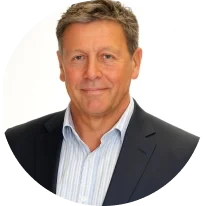
Craig is CEO of Trivesta, manager of the Trivesta Protected Yield Fund. AFS Licence 320497. General information only — not financial advice.
Disclaimer : Issued by Trivesta Funds Pty Ltd ACN 627 270 900 (Trivesta Funds), a Corporate Authorised Representative (AR No. 1274820) of Trivesta Capital Ltd ACN 126 975 282, AFSL 320497 (Trivesta Capital). Trivesta Funds is authorised to provide financial services in connection with the Trivesta Protected Yield Fund (Fund). The Information on this page is general only and does not take into account your objectives, financial situation or needs, and does not constitute legal, tax, financial or investment advice. The Fund is available only to wholesale clients (including sophisticated investors) under section 761G or 761GA of the Corporations Act 2001 (Cth). Offers to invest in the Fund will only be made via an Information Memorandum (IM) issued by Trivesta Funds. Investment is subject to risks, including capital loss, delays in repayment and loss of income. Past performance is not a reliable indicator of future performance. Returns, income and capital preservation are not guaranteed. Visit www.trivesta.com.au for further information.